Begin with the kind of afternoon
Before choosing a sandwich filling, decide how the meal will happen. Will everyone sit together, come and go, or eat between stretches of walking? A seated group can manage a dressed salad and reusable bowls. People standing beside a park bench will appreciate compact sandwiches and a dessert that does not need a fork. The best menu is not the most impressive one on paper; it is the one that suits the way your friends will actually eat.
Ask for the headcount and dietary needs early. Invite people to describe allergies clearly rather than guessing what a label such as “plant-based” means for them. Check whether a shared preparation space or serving spoon presents a problem. You do not need to promise an allergen-free meal you cannot provide. An honest conversation, original ingredient packaging and clearly separated dishes are more useful than reassurance without a plan.
Choose one dish people will remember, then let the rest make it easier to enjoy.
Give every dish a job
A useful basket has a main, a contrasting side, a modest sweet finish and enough drinking water. The main might be a substantial sandwich or a bean-and-grain salad. The side should bring something different: crunch beside soft bread, acidity beside a rich filling, or juicy fruit after a salty savoury dish. Repeating bread, pastry and cake can leave a table feeling monotonous even when every item is appealing on its own.
Start with a main portion for each guest, then adjust to appetites, the duration of the gathering and whether this is a full meal. There is no universal sandwich count that works for every loaf or filling. Tell guests what you are providing, and give anyone bringing food a specific role. “Something crunchy to share” is a clearer request than “bring anything,” especially when cooler space is limited.
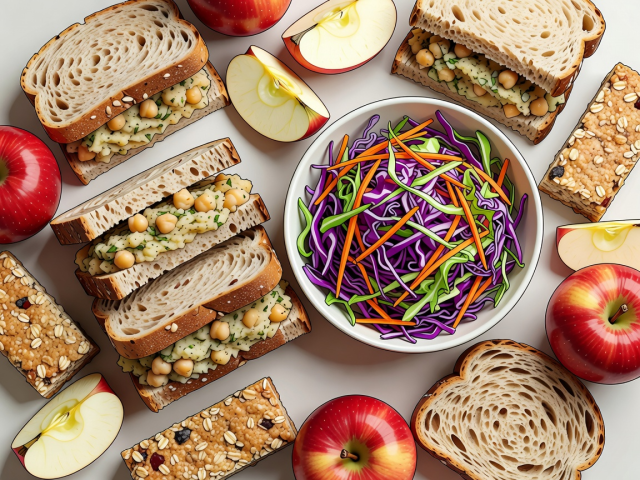
Familiar, with a little crunch
Chickpea sandwiches, cabbage salad, whole apples and oat bars. Pack sandwich filling cold and assemble close to departure.
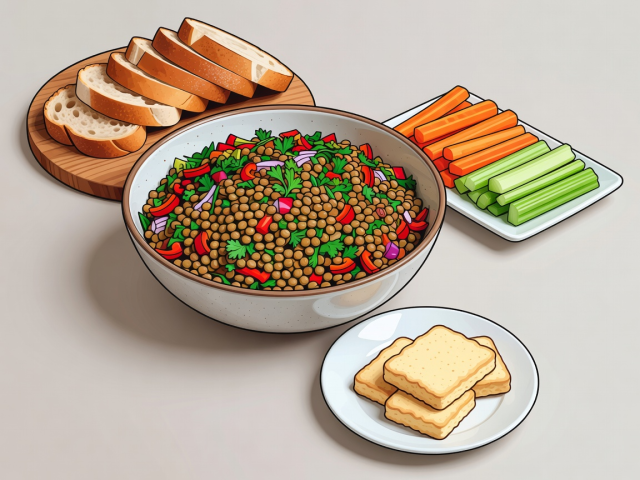
A bowl at the centre
Lentil salad, bread, separate spreads, vegetable sticks and shortbread. Give every shared dish its own serving tool.
Plan around the place, too
A picnic in Central Park, Hampstead Heath or your nearest neighbourhood green can involve very different routes and facilities. Look at the official park information for toilets, drinking water, accessible paths, waste rules and restrictions before you commit. A long walk from the station makes heavy glass containers less attractive. A site without shade makes dependable cold storage more important, not less.
Check the weather shortly before departure and agree on an alternative meeting place. Wind favours lidded dishes over loose leaves and paper plates. A damp forecast may call for a sheltered table rather than a blanket. Do not assume an attractive public lawn permits every activity: alcohol, fires and barbecues are subject to local rules. A menu that works without cooking on site is often the easiest option.
Make accommodation part of the menu
Where practical, build a shared base that more people can enjoy, then offer optional additions separately. A bean salad without cheese can sit at the centre, with cheese in a labelled container for those who want it. This is a serving arrangement, not a guarantee against cross-contact. If someone has a serious allergy, discuss their requirements directly, including whether they would prefer to bring their own sealed meal.
Think about drinks with the same care. Offer water regardless of other choices, and avoid making alcohol the organising feature of the gathering. A thermos of coffee can suit a cool morning, while chilled water is the dependable starting point in warm weather. Bring cups that are comfortable on uneven ground and do not assume the park has a working fountain.
A small planning tool
Build your picnic plan
Choose a starting menu. This is a planning prompt, not a nutrition calculation or an allergy assessment.
Your starting menu will appear here.
Make the final edit
Lay out the empty containers before you shop. If the planned food will not fit safely in your cooler, simplify the menu rather than leaving a perishable dish outside it. Remove any dish that needs awkward last-minute cooking, a fragile presentation or an extra set of serving equipment without adding much pleasure. A calm host with a coherent basket is better company than a tired host carrying six competing dishes.
Once the menu is settled, write the preparation steps in the order you will actually do them. Separate chopping from assembling, and packing from serving. The make-ahead guide turns those decisions into a manageable rhythm; the basket checklist catches the small things that are easy to forget.