Build a sandwich with a little structure
A portable sandwich needs balance between bread, moisture and filling. Very soft bread can collapse beneath wet vegetables; an extremely hard crust can push the filling out with the first bite. Choose a loaf or roll that is pleasant to eat without heroic effort. Slice portions to a manageable size and avoid stacking so high that a guest needs both hands just to hold lunch together.
Start with well-drained ingredients. Blot roasted vegetables after cooling and drain beans or chickpeas before mashing. Keep particularly juicy tomatoes, pickles and sauces separate when they are likely to overwhelm the bread. A thin spread or a layer of dry, sturdy leaves can help with texture, but neither makes a wet sandwich waterproof or a perishable filling safe without refrigeration.
A chickpea-and-crunch direction
Mash drained cooked chickpeas roughly with a little olive oil and lemon juice, then add finely chopped celery and herbs. Season to taste, remembering that mustard, pickles or other additions may contribute salt and allergens. Spread a modest layer onto your chosen bread and add shredded cabbage or another dry, crisp vegetable. This is an adaptable assembly idea rather than a tested preservation method; keep the filling chilled and use clean tools.
A roasted vegetable direction
Use cooled, drained roasted peppers or courgettes with a suitable spread and a small amount of firm cheese if wanted. Keep the layers even and avoid puddles of oil. Wrap each sandwich in food-safe parchment and place it in a supportive container rather than packing a heavy bottle on top. Label alternatives clearly, especially where dairy, sesame, mustard or wheat may be present.
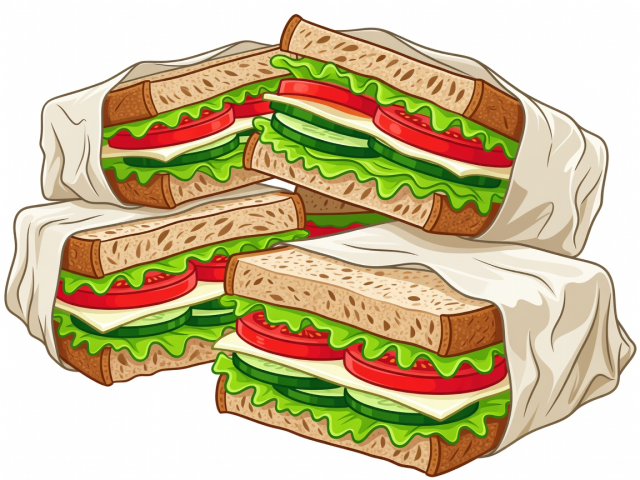
Layer, do not overload
Even filling and drained vegetables help every bite stay together. Keep extra sauce in a separate pot.
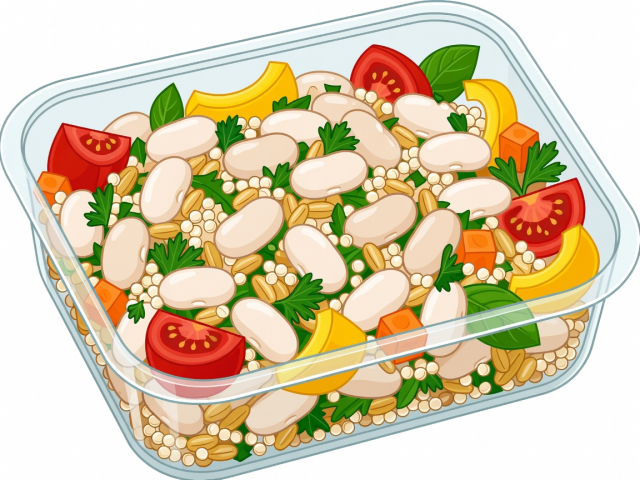
Give the bowl a backbone
Beans, lentils and sturdy vegetables bring substance. Add dressing thoughtfully, not automatically.
Make a salad that is a meal, not an afterthought
A picnic salad becomes more satisfying when it combines a substantial base with contrasting texture. Cooked lentils, white beans or grains can provide the base. Add chopped vegetables for crunch, herbs for freshness and an acidic dressing for definition. Taste with a clean spoon before packing; a salad should be enjoyable on its own rather than depending on a last-minute shower of toppings.
Keep delicate leaves and crisp toppings separate until serving. Cabbage and carrots are often more resilient than tender lettuce, although quality still depends on preparation and time. A small screw-top dressing pot reduces leaks and lets you adjust the amount at the picnic. Put the pot inside a secondary container if a spill would affect the rest of the meal.
Consider a white bean salad with chopped cucumber, parsley and a lemon-and-olive-oil dressing. Drain the beans, remove excess watery cucumber seeds if needed and use only as much dressing as the salad needs. Alternatively, combine properly cooked and chilled lentils with roasted vegetables and herbs. Cook grains according to reliable instructions, cool them promptly and keep the finished dish cold. Plant-based does not mean safe at any temperature.
Choose a finish that needs little explanation
The most useful picnic dessert is already portioned and comfortable to eat outdoors. A slice of plain lemon loaf, a square oat bar or a piece of shortbread can be offered without a knife and serving board. Follow a trusted recipe for baking and storage, then pack portions in a shallow rigid container. Separate layers so that the bottom pieces do not arrive as a compressed second dessert.
For a light alternative, offer whole fruit that suits the group and the journey. Wash fruit appropriately before leaving and keep it protected from dirty equipment. Cut fruit requires more careful handling and may require refrigeration; it is not interchangeable with an intact apple for packing purposes. Grapes and berries also bruise, so give them a container rather than a loose corner of the bag.
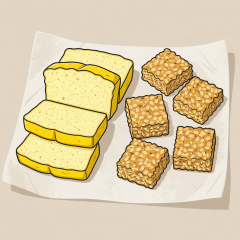
One hand, one small pleasure
Choose a sturdy sweet, portion it at home and protect it from the weight above.
Finish the meal, not every dish
If the main is rich, let the side be bright. If the salad is substantial, offer bread rather than another heavy main. One good contrast is more helpful than several disconnected recipes. Write down what worked after the picnic: which bread stayed pleasant, which container leaked and what was left untouched. Over time, your own short list will become more useful than an endlessly expanding menu.
Return to the menu guide to place these ideas in a complete meal, or use the preparation timeline to decide which parts can be done before departure.