Match the container to the job
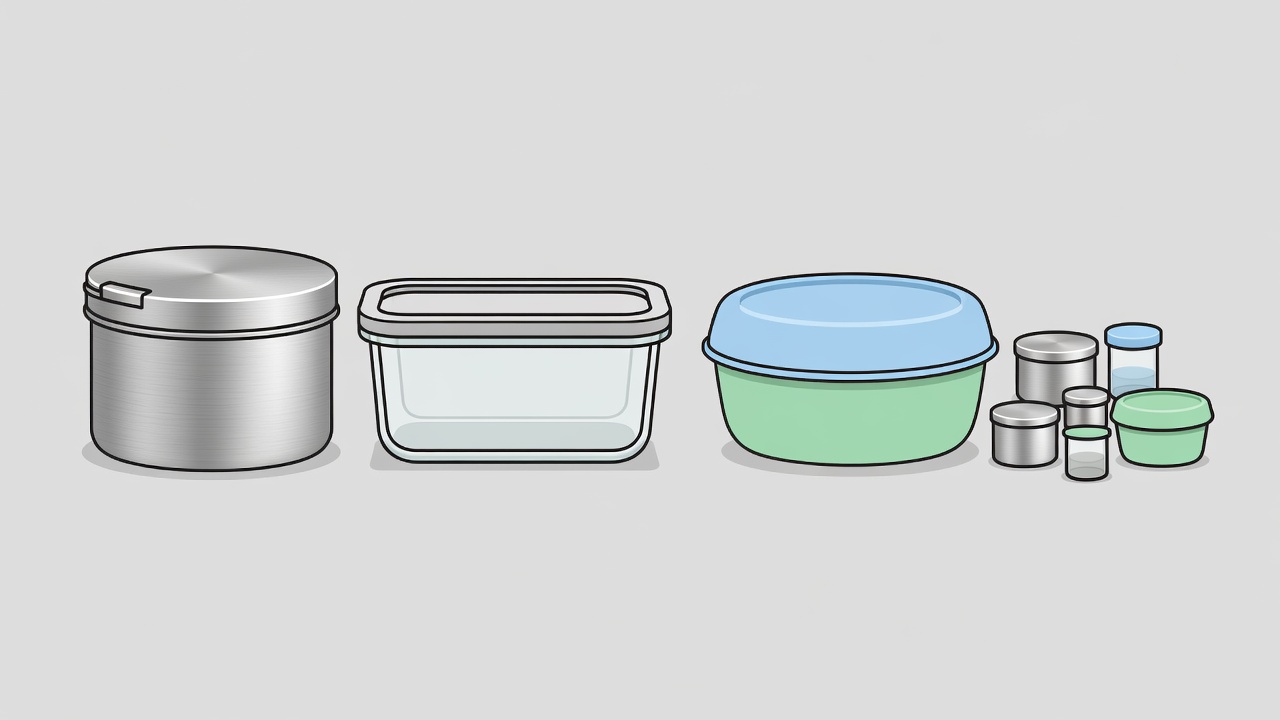
Lay out the food you intend to carry, then choose its protection. A sandwich needs support against crushing. Dressing needs a reliable seal. A salad needs enough room to toss without spilling, while a fragile dessert benefits from a shallow box. Buying one material for every task can create more compromises than using the sound, food-safe containers you already own.
Check lids, seals and clips before filling anything. Test a supposedly leak-resistant container with water over the sink, not with dressing in your bag. Follow the manufacturer’s instructions for hot food, freezing, microwaving and dishwashing. A container made for cold storage is not automatically suitable for heat, and a reusable item should be retired when damage prevents proper cleaning or sealing.
| Material | Useful for | Check before packing |
|---|---|---|
| Stainless steel | Supporting sandwiches and sturdy snacks | Seal performance; metal is not microwave-safe |
| Glass | Visible contents and easy serving | Weight, breakage risk and local restrictions |
| Food-safe reusable plastic | Lightweight portions on longer walks | Damage, staining and temperature instructions |
| Food-safe silicone | Flexible storage and small separate components | Closure security and resistance to crushing |
Pack for access as well as protection
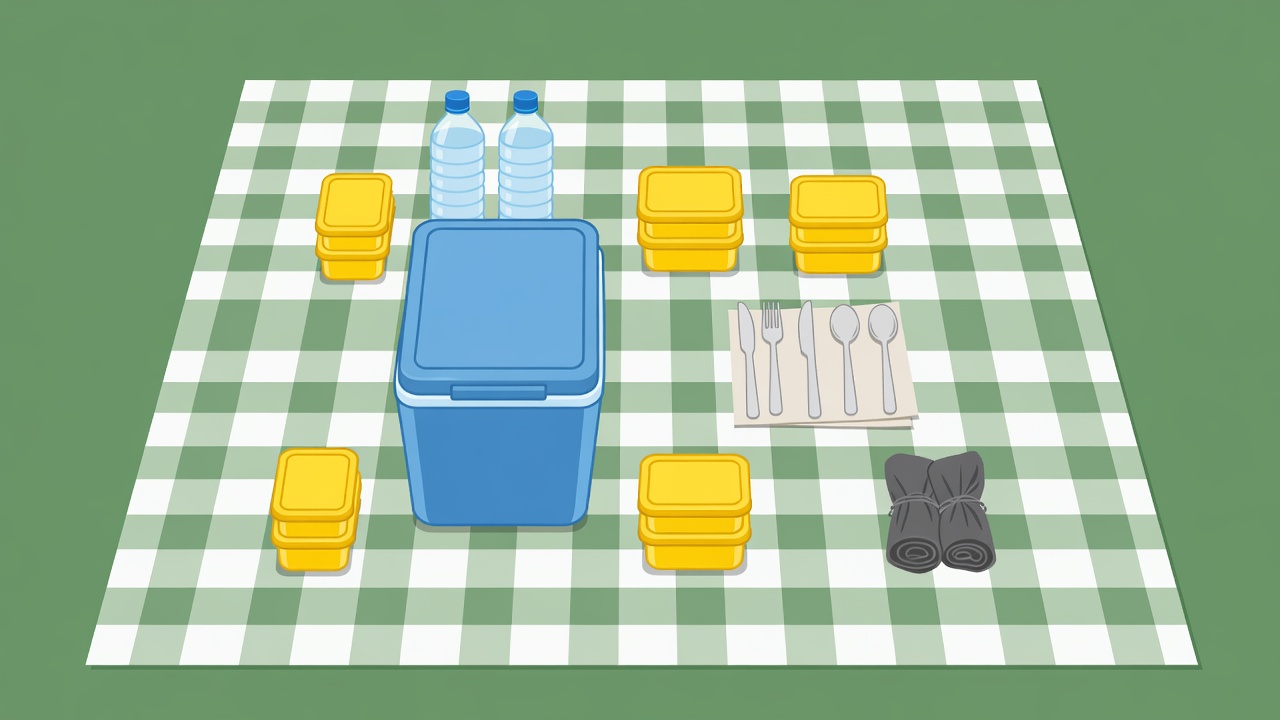
Put heavy, stable items low down and keep delicate food out from under them. Place the things you will need first near the top: hand-cleaning supplies, the blanket and serving tools. Carry clean utensils separately from used ones. A small empty lidded container or washable bag gives dirty cutlery somewhere to go without contaminating the rest of your belongings.
A cooler is not just an insulated shopping bag. It needs enough suitable cooling material, appropriately chilled food and a way to check temperature. Pack perishable food directly from the refrigerator, arrange ice or frozen packs around it and keep the cooler closed as much as possible. If drinks will be opened frequently, a separate drinks container can reduce repeated access to the food cooler.
Serve a little, keep the rest protected
Bring out manageable amounts instead of exposing the entire meal for the whole afternoon. Give each dish a clean serving utensil and protect food from dirt, insects and hands reaching into shared containers. Use clean plates for second helpings where possible. Keep raw meat away from ready-to-eat food; for this notebook’s simplest picnic menus, leaving raw cooking ingredients at home removes an avoidable complication.
Wash hands with soap and clean running water before preparing or eating food. Where washing facilities are unavailable, plan a suitable handwashing setup; hand sanitiser is a fallback, not a substitute for removing visible dirt. The CDC’s hand hygiene guidance explains washing and sanitiser use. Surface wipes, hand products and food-contact cleaners are not interchangeable.
Think about the return journey
Leftovers are only worth keeping if you can establish that they remained safely handled. Appearance, smell and a few remaining ice cubes are not reliable proof. If the temperature history is uncertain, discard perishable leftovers rather than saving them for later. Keep waste sealed away from food and take everything home unless the site provides appropriate disposal facilities.
Reusable equipment earns its place through repeated use and proper care, not simply through its label. Wash containers and seals according to their instructions, dry them before storage and note anything that leaked or was awkward to carry. The Leave No Trace principles are a useful reminder to plan ahead and dispose of waste properly. Check local park rules rather than assuming compostable packaging may be left outdoors.
The printable basket check
One last look before you leave
Tick items on this page or print a copy. Checkmarks are temporary and are not saved.